By Andrey Henkin
Is there an instrument better at crossing borders—both physical and artistic—than the guitar? It can be a symphony orchestra unto itself, rhythmic foundation for myriad genres, soundtrack for storytelling or wailing, expressive lead. Its history is a rich one, chapters written in every part of the globe and new languages invented with every player who runs their fingers against the strings. The pantheon of guitar gods and goddesses can be found in formal dress, folk garb or leather and move from delicate fingerstyle to distortion-drenched soloing.
Classical
We can find the origins of today's modern guitar all the way back in the Baroque era with its ancestors the lute and vihuela. As the instrument evolved in shape, tuning, playing methods and component materials via Antonio de Torres, the level of musicianship also changed, giving way to virtuoso players with astonishing technique and articulation, and various European traditions spread across the world. The first modern master was Spain's Andrés Segovia, a monumental figure not only for his prodigious technique but also for helping introduce nylon (versus gut) strings and the commissioning of new works by various composers. The rigorous training and deep expressiveness has continued with generations of accomplished figures like John Williams, David Russell, Ana Vidovic, Miloš Karadaglić and Kazuhito Yamashita. What started in the town square has now moved on to the grandest concert hall stages.
Acoustic Blues/Country
The Blues is a uniquely American invention, even if it later touched down all over the globe. It came out of the Black slave experience of the South, grown alongside cotton on plantations (most notably Dockery Farms), and telling the story of an uprooted people. The guitar and banjo were cultural stand-ins for similar indigenous instruments from various regions of Africa, coupled with the first instrument, the voice. This was music of lament but also of freedom, derived from field hollers, church services and ingrained memory of village music from the slaves' origins. The guitarists, men like Charlie Patton, Son House, Robert Johnson and others, who played the Blues were self-taught and lived the music, though rarely getting accolades during their lifetimes, rediscovered by future generations. In parallel, white artists took some of its elements and combined it with British folk forms, to develop what we now call Country & Western or Twang.
Early Jazz/Gypsy Jazz/Flamenco
The rise of better recording techniques allowed former banjo players to switch to guitar and become a prominent part of early jazz. Among the first stars, and presaging future decades of Italian jazz guitarists, was Eddie Lang (né Salvatore Massaro). Other important figures during this era were Lonnie Johnson, who also played in the Blues style, and later Charlie Christian, who pushed the guitar to be the equal in jazz of trumpet and saxophone. In Europe, much of the guitar's modern history first came through adaptation of folk traditions and use within communities for life-cycle events and general entertainment. The guitar, eminently portable, was a perfect accompaniment to other instruments like strings and percussion. Within each country were unique characteristics, whether it was the accordion of the Roma people or the percussive dancing associated with flamenco dancing in regions of Spain (Paco De Lucia, Tomatito, Vincent Amigo). Out of this world came Belgian-born Romani Django Reinhardt, who was the founding father of what has come to be called Gypsy or Hot Jazz, an adaptation of the earlier work of pioneers like Lang and Christian.
Electric Blues
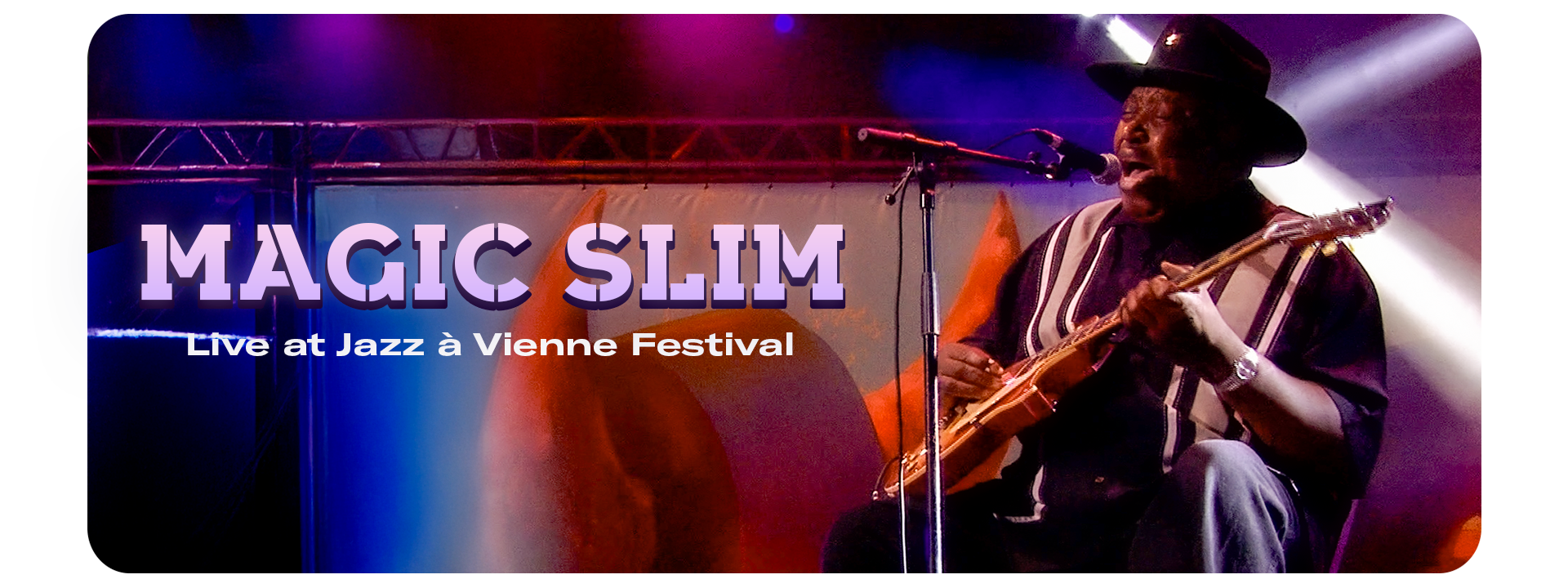
As American life shifted away from rural farming life to the gritty industrialism of city-dwelling, including through The Great Migration, the Blues reflected that transformation, plugging in the guitar and heard in new centers like Chicago and parts of Texas and California. The foundation was the same as before, stories of woe, unfaithful women, hard drinking and just getting by, but now louder, edgier, pushing the boundaries of the guitar. Out of this came some of the first real Blues soloists—T-Bone Walker, Howlin' Wolf (né Chester Burnett) and the three Kings: B.B., Albert and Freddie—and music meant to show off their hard-earned chops. This era of the Blues was also one of mentorship, generations learning from the ones that preceded them. The electric Blues era also was key in establishing the first tendrils of rock 'n' roll to come, a direct line to Chuck Berry and later Jimi Hendrix.
Jazz
The guitar in jazz was, in its first few decades, primarily an element of the rhythm section, mostly due to a lack of amplification but also the big band style prevalent during the Swing Era. After electric guitars became common and jazz groups got smaller, the instrument moved to be an equal partner in ensembles and also a lead voice. As jazz became more cerebral, the unique capabilities of the guitar—harmonic considerations, melodic potential, rhythmic function—were used more and more by a wide array of players, each with unique approaches and shifting seamlessly from accompaniment to the forefront. Following in the steps of Lang and Christian were Oscar Moore, Freddie Green and Les Paul, the latter's work with electrification setting the stage for the rock 'n' roll revolution to come. The '60s and beyond introduced now seminal names like Wes Montgomery, Kenny Burrell, Jim Hall, Pat Martino, John Abercrombie, Pat Metheny and Bill Frisell.
1960s Rock
By the mid '50s, guitar had become the face of popular music as early rock—born out of Rhythm and Blues from urban centers—supplanted jazz as the dominant style, popularized by legends like Sister Rosetta Tharpe (Tharpe was playing rock 'n' roll in the 1940s before it had the name and was a star when women were rarely so), Chuck Berry, Scotty Moore and proto-shredded Dick Dale. That continued exponentially in the following decade, becoming one of the totems of the counter-culture. The players that came out of that era were steeped in the blues, educated with jazz and fueled by psychedelia. On both sides of the Atlantic the guitar was being thrust higher and louder: distortion, huge amplifiers, epic solos. The guitar-playing community became a competition of who could get to the stratosphere first. That, of course, was Jimi Hendrix but others soon followed in his wake—from Eric Clapton to Terry Kath—and the era of the Guitar God was born.
Fusion/Jazz-Rock/Smooth Jazz
While some older jazz musicians rued the day rock 'n' roll was born, shunting them into quasi-irrelevance, others, like trumpeter Miles Davis and drummer Chico Hamilton, embraced the new trends and hired younger players for whom the rock language was native. The combination of jazz skill and rock energy exploded in the late '60s well into the '70s. And while jazz and rock were being fused, other concepts, like Eastern tonality and classical foundation, were added to the mix, via prominent exponents like Larry Coryell and John McLaughlin. The synergy was omni-directional as plenty of rock acts—The Grateful Dead, Frank Zappa, The Allman Brothers—used jazz theory and improvisation to spur deeper explorations and more complex structures. On the other hand, slick pop music was folded in to create Smooth Jazz, with George Benson the pinnacle. With all walls being torn down, no source material was off-limits and the guitar's versatility was fully embraced.
Funk/Soul
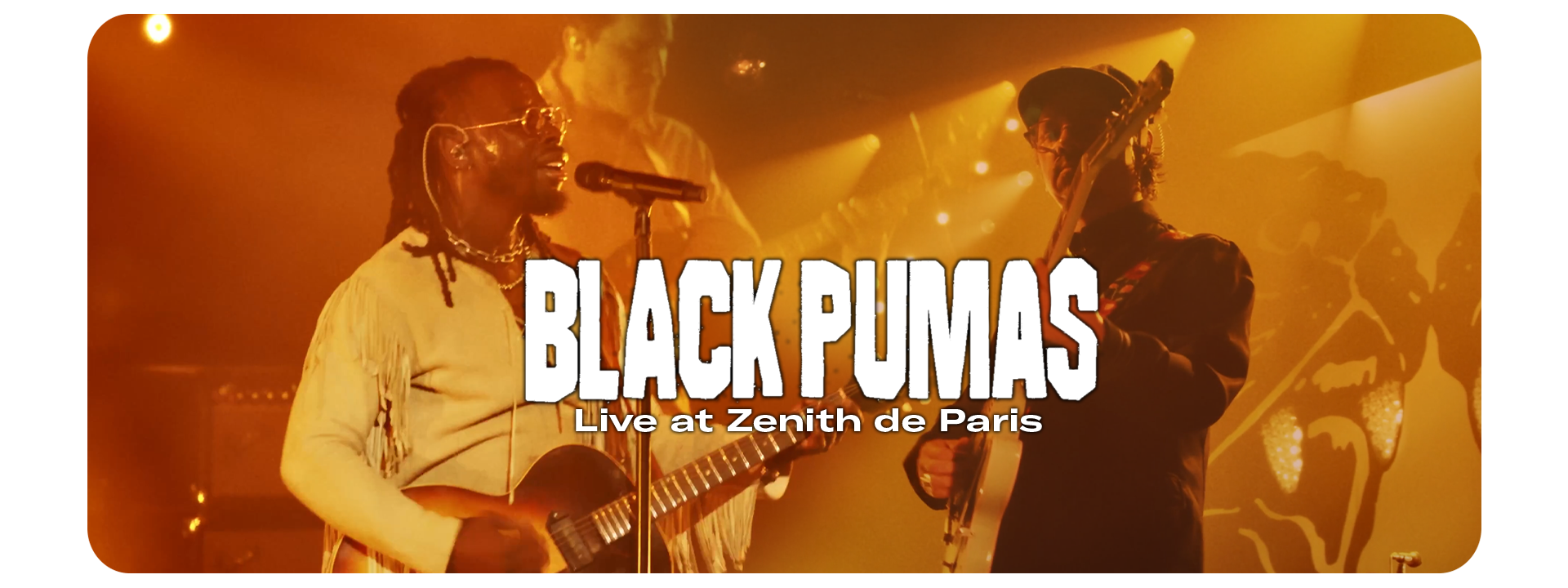
While Fusion and Jazz-Rock were happening primarily within white music spheres, the Black American community took some of those innovations and applied them to their sensibilities and experiences, whether urban life or repurposing a sense of otherness in a racially turbulent era to make themselves an alien force on earth. The guitar, in tandem with extra-prominent bass and deft drumbeats, translated these ideas into a new dialect. Part-Motown, part-science fiction, part dance party, folks like James Brown (whose JB's included guitarist Phelps "Catfish" Collins), George Clinton (hiring players Eddie Hazel, Tawl Ross, Michael Hampton and others) and the scenes around Detroit, Philadelphia and other urban centers made the guitar as sharp as a razor blade and smooth like a well-oiled Cadillac. These styles would also be absorbed into jazz of the '70s, via Miles Davis's two-guitar band with Reggie Lucas and Pete Cosey. And even though this was music born of a socio-political era, its spirit lives on in modern ensembles like 2020 New Artist Grammy Award nominees Black Pumas.
Progressive/Avant garde/Punk
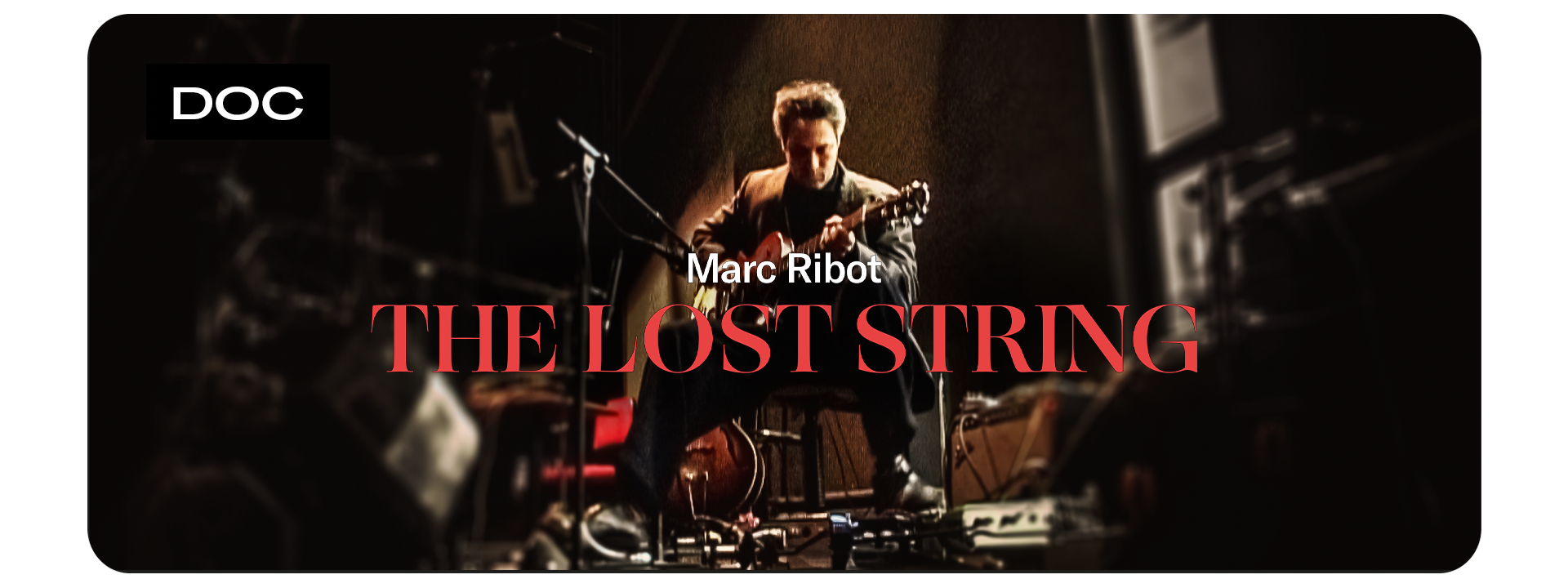
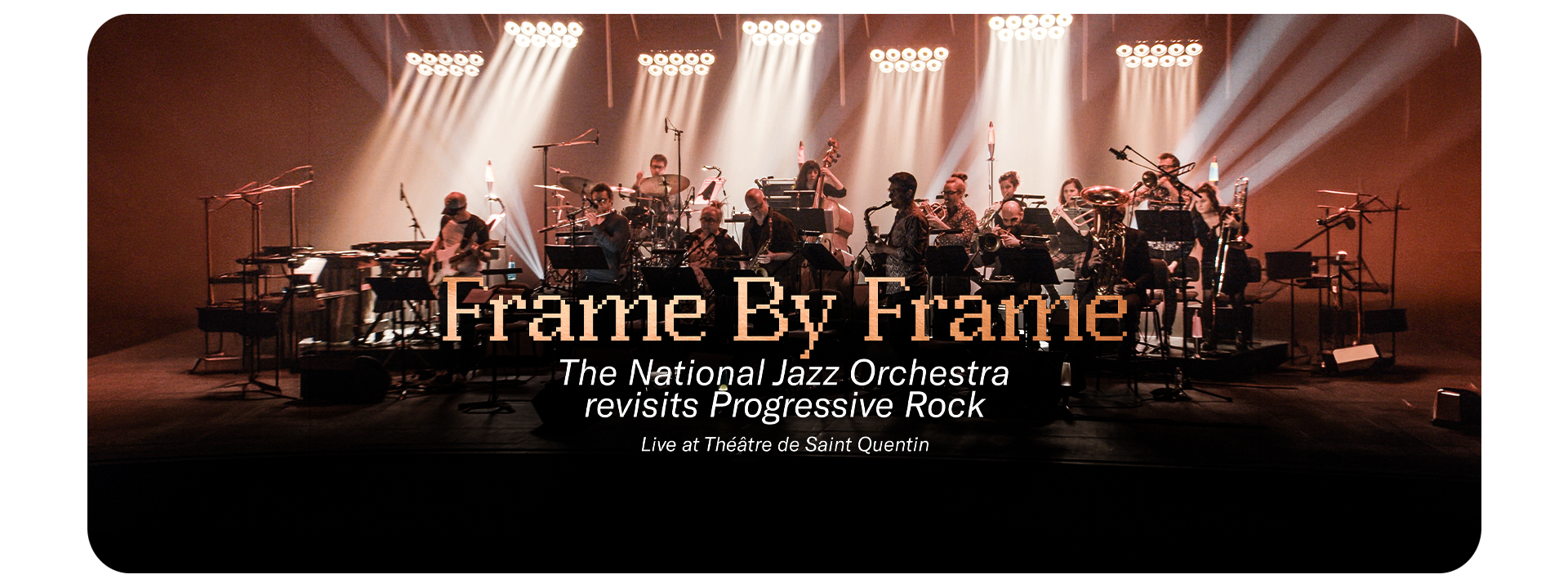
By the late '60s onward, guitar had become non-idiomatic, literally becoming anything depending on the hands of those that played it. Many during the era looked towards contemporary classical movements in an effort to make music, and the guitar, a serious instrument. The level of technical skill was there—exemplified by Robert Fripp, Steve Howe, Jan Akkerman, Steve Hackett—now it had multi-valence added to its arsenal. Progressive rock was the result and its double-LP albums rivaled the scope and grandeur of symphonic works, which, in turn, have become their own canon, to be explored by open-minded ensembles like France's Orchestre national de jazz. This would help set the stage for virtuosic heavy metal in the '70s onward, from Eddie Van Halen to Dave Mustaine. Still others decided the guitar had become too slick, too predictable and they sought to reinvest it with danger. That came via players like Sonny Sharrock in the jazz fields and punk rockers Greg Ginn of Black Flag and East Bay Ray of The Dead Kennedys. And some took everything that came before them to invent a genreless space only they inhabit, players ranging from James "Blood" Ulmer and Marc Ribot to Buckethead and Keiji Haino.
Guitar Around The World
The instrument's versatility has made it the primary megaphone for the international language of music. It can be found in the indigenous styles of countries and regions across the world. Among the most prolific are: Brazil, where folk musics and rhythms inform the guitar's role in a lineage stretching from Antônio Carlos Jobim to Egberto Gismonti to Yamandu Costa; Jamaica, where upstroke-heavy guitar playing (aka skank) became the foundation of ska and then reggae through the playing of Ernest Ranglin, Jah Jerry, Peter Tosh, Stephen ‘Cat’ Coore and others; and the countries of West Africa, wherein a circle of guitar history—slaves brought to America and pioneering new styles eventually making their way back across the Atlantic to be reabsorbed—was completed, whether by Ebo Taylor, Ali Farka Touré, Boubacar Traoré, Barthélémy Attisso, Ibrahim Ag Alhabib or Lionel Loueke.
The Guitar Today
Rock. Pop. Funk. Soul. Ska. Hip-Hop. Singer-songwriting. Nu metal. Folk. Noise. Electronica. Contemporary classical. There is no genre where the guitar cannot be found. Its long history and international travel have been pushed forward by broad societal change as well the innovations and questioning from thousands, maybe even more, players who saw an amalgamation of wood, plastic and metal shaped into something elegant, futuristic or violent and said, "I want to play that."
By Andrey Henkin