By Vincent Caffiaux
Much like Düsseldorf in Germany, or Manchester and Sheffield in the United Kingdom, Detroit shaped its music in the image of its industrial surroundings. In the 1940s and 1950s, bluesmen from the Deep South sublimated the incandescent mojo into deliberately electric tracks. A decade later, the Motown label rapidly imposed a sophisticated soul served by figures such as Stevie Wonder, Marvin Gaye, or Diana Ross. In the wake of that moment, "Motor Town" and its satellites — Akron with its tire conglomerates, the neighboring campus of Ann Arbor — gave rise to a disruptive rock scene driven by the iconoclasts Devo or the Stooges. Finally, when the all-powerful automotive sector collapsed, a new generation transformed the warehouses of Michigan's largest city into sonic laboratories. The 1980s saw the birth of techno, a futuristic and minimalist current embodied by the Belleville Three — Juan Atkins, Derrick May, and Kevin Saunderson.
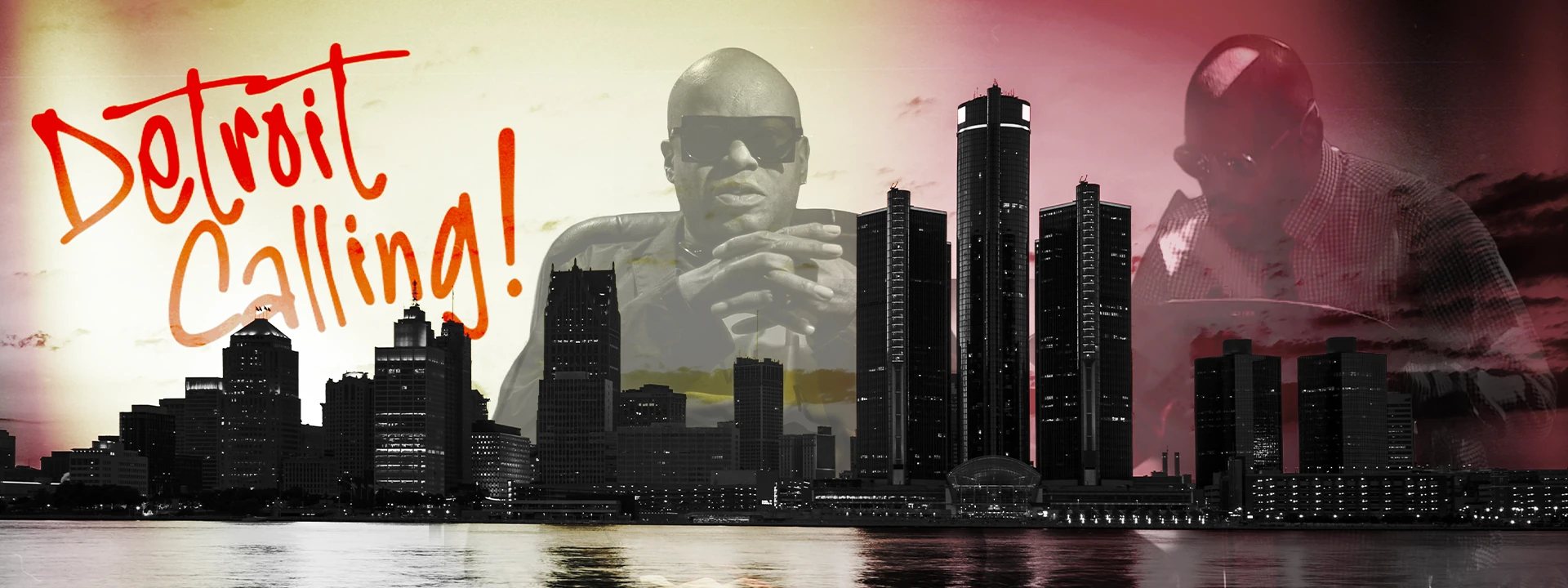
Motown, or the Sound of the New America
Founded in Detroit in 1959 by Berry Gordy, Tamla Motown profoundly transformed popular music. Established at the heart of a city dominated by Ford and General Motors assembly lines, this record company transposed the prevailing Taylorism — that systematic planning of labor — in a strikingly literal way. Fueled by Holland-Dozier-Holland, the holy trinity of arranger-composers, and driven by a formidable house band known as the Funk Brothers, young performers including the wonderful Smokey Robinson, the prodigious Stevie Wonder, and the harmonious Four Tops or Supremes imposed a soul style recognizable by its insistent basslines, syncopated tambourines, and vocal harmonies rooted in local gospel tradition. Less raw than Stax or Hi Records, this prolific catalogue would earn the great northern city an eloquent nickname: Hitsville U.S.A.
Yet Tamla quickly transcended the purely musical sphere. In an America torn by racial segregation and civil rights struggles, the label pulled off the feat of seducing Black and white audiences simultaneously. Far from the infamous label of "race music," its musicians were broadcast on mainstream radio stations, filled concert halls, and entered the homes of a deeply divided society. This success helped dismantle certain cultural barriers. Enriched by works of great beauty — the humanist manifesto What's Going On by Marvin Gaye, psychedelic suites like Puzzle People and Cloud Nine by the Temptations, or the biting vignettes of Edwin Starr with the blazing "War" and "Funky Music Sho Nuff Turns Me On" — the catalogue became a showcase of social ascent. That was before the early 1970s and the move of the studios to California. But that's another story.
The Prophets of Noise
Like the legendary and highly political MC5 — a gang managed by the extraordinary John Sinclair (seek out the LP John Sinclair Presents Detroit Artists Workshop on Strut) — Iggy Pop and the Stooges likely represent Detroit's most radical faces. In a metropolis marked by tension, their compositions captured an uncompromising sound. Where Motown sought a form of sophistication capable of uniting white and Black America, the Stooges plunged into a cauldron of saturation and chaos. With the album Fun House, the group amplified the seismic tremors of the first LP (thanks to John Cale) and visceral anthems like "No Fun," "I Wanna Be Your Dog," or "1969". Notably, this second record from the Ann Arbor gang opened an explosive dialogue with free jazz. Saxophonist Steve Mackay introduced abrasive improvisations directly inspired by the explorations of John Coltrane and Albert Ayler. Beyond the usual jazz asides, Iggy Pop would often speak of his admiration for the spiritual intensity and the freedom of the new thing.
A fertile crucible for the Sex Pistols, Sonic Youth, and Hüsker Dü, Detroit encouraged repertoires charged with tension, irradiated by electric heat. Rock rubbed shoulders there with blues, soul, and the avant-garde — an openness that also explains Iggy Pop's broader connections. His partnership with David Bowie in Cold War Berlin is one confirmation. There, the Thin White Duke helped the Iguana relaunch his career with the albums The Idiot and Lust for Life. Later, his work with Ryūichi Sakamoto, one of the pillars of Yellow Magic Orchestra, and his interactions with the British scene — David Sylvian and Japan come to mind — would quench that artistic thirst with the ballad "Risky". Two strong live recordings made on home ground, including a fine tribute to Ron Asheton, are available on Qwest TV.
John Lee Hooker Puts the Pedal Down
Originally from the Clarksdale area, one of the peaks of Delta Blues, John Lee Hooker experienced, from the end of the Second World War, the fate of the wanderers described in the U.S.A. trilogy by the brilliant John Dos Passos. Like many of his fellow citizens from the Deep South, the author of the foundational "Boogie Chillen'" and "Boom Boom" undertook an exodus of almost biblical resonance. He made his way to Detroit along the Mississippi River — the backbone of the Midwest and an integral part of American mythology. There, the man naturally sought employment in the city's various factories and developed, in parallel, an electrified twelve-bar form that would leave its mark on rock and on tutelary figures like the Rolling Stones, John Mayall, and his disciples Eric Clapton and Jeff Beck.
Recorded by John Lee Hooker in 1967, "Motor City Is Burning" comments on the violent riots that erupted in Detroit that year. An up-tempo blues later carried by Kathryn Bigelow's film Detroit — centered on the assault of the Algiers Motel — the track reflects a nameless tragedy involving no fewer than forty deaths, hundreds of injured, and thousands of arrests. Inscribed in a tradition of protest symbolized by saxophonist John Coltrane through "Alabama," or by drummer Max Roach and the harrowing We Insist!, the blues wizard delivers a text like an uppercut: "Detroit is burning / and nothing can stop it, man / Detroit is burning / and white society can't avoid it / My city is burning right down to the ground / it's even worse than Vietnam." Lucid, the text reads like a subversive inventory, cataloguing Black Panther Party activists, the excesses of the National Guard, and the American expeditionary corps in Southeast Asia. Immortalized in Paris in 1970, a concert recording of John Lee Hooker captures this state of emergency.
An Engine for Music
Born in Detroit in 1952, Don Was grew up in a fervent artistic milieu that would broadly shape his career. Charismatic, he made his name in the 1980s with the duo Was (Not Was), an offbeat project at the crossroads of Dada and 1970s funk. The group achieved international success with "Walk the Dinosaur" before inviting Leonard Cohen into the fold — which did not stop Don Was from launching a remarkable production career. His signature touch rests on warmth of sound and the pursuit of groove. Unlike digital sessions, Was often favors live takes and collective energy. His work bears the imprint of local urban culture. A keen connoisseur, he excels above all at placing artists at the center of the record, with particular attention to atmosphere.
Over the decades, he has produced major artists including the Rolling Stones, Bob Dylan, and Brian Wilson of the Beach Boys. His meticulous work with Algerian raï singer Khaled — a track like "Mauvais Sang" has not aged a day — remains exemplary, and gives the James Brown of Oran his full stature. Significantly, since 2012, Don Was has led Blue Note Records. Under his direction, the label founded in 1939 by Alfred Lion continues to welcome major jazz figures such as Herbie Hancock, Wayne Shorter, or Norah Jones, while supporting a new generation including the British collective Blue Lab Beats and their uninhibited electro-jazz. An aesthete at heart, Don Was encourages crossings between jazz, soul, hip-hop, and funk, all through remarkable vinyl pressings. Concerts by Ambrose Akinmusire at Jazz à Vienne, or by the innovative Robert Glasper, alongside Yasiin Bey (Mos Def), attest to the catalogue's good health.
Bebop vs. Hip-Hop
Between griot traditions, improvised melodies, and rap, Karriem Riggins echoes Quincy Jones and his evolving artistic vision. A virtuoso drummer, the Detroit native accompanied demanding yet very different vocalists early in his career — Betty Carter, Diana Krall. Naturally, his fluid yet precise playing attracted the world of rap: he became one of hip-hop's most respected producers and musicians. An alternative to the East and West Coast scenes, he worked notably with Common on Electric Circus, a brilliant tribute to Jimi Hendrix, and with The Roots — particularly with Questlove, a percussionist with whom he shares an uncanny kinship.
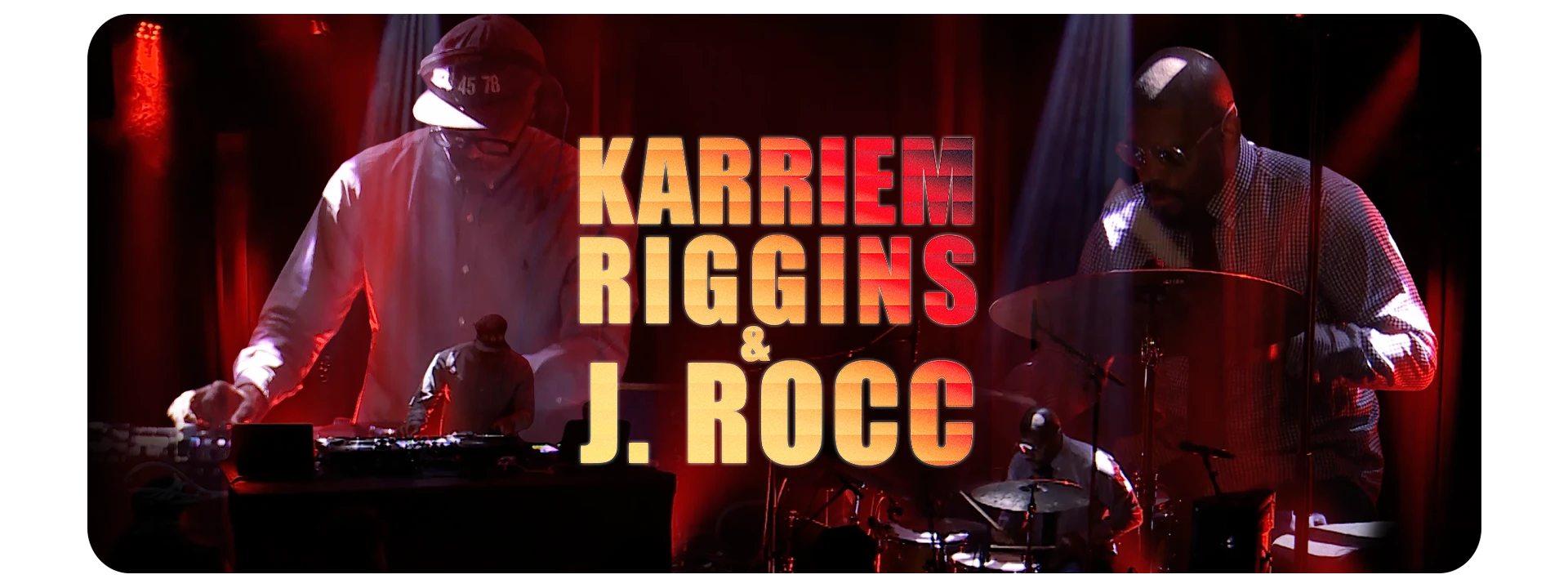
Central to these crossings is Karriem Riggins' relationship with the late J Dilla. Both men came from this Great Lakes metropolis and shared the same science of off-kilter rhythm, imperfect swing, and organic arrangements. Riggins has contributed to keeping alive an urban culture nourished by its surrounding traditions. Like J Dilla, he has helped make Detroit a capital of beatmaking. One only needs to listen to how this duo makes machines swing to grasp the scale of the phenomenon. This creative approach also feeds the world of Eminem — another Detroit native — even if the aesthetics differ sharply. Where Eminem describes with raw naturalism a society ravaged by poverty and violence (8 Mile remains a good illustration of that social milieu), Karriem Riggins explores rhythmic contribution and induced memory. Surprising and breathless, his performance alongside J Rocc of the Beat Junkies at Moods in Zurich makes the case.
The Rise of the Machine Men
Emerging from the wastelands of Detroit in the early 1980s, techno bears the hallmark of deindustrialization. Heirs to the cosmic funk of Parliament/Funkadelic and the digital scores of Germany's Kraftwerk, pioneers like Juan Atkins, Derrick May, and Kevin Saunderson imagined music that was mechanical, hypnotic, and resolutely serial. In the 1990s, Carl Craig became one of the defining figures of that second wave. With his collective Innerzone Orchestra and his label Planet E Communications, this devoted Prince admirer — a funkateer who was himself heavily shaped early on by European new wave — developed a sophisticated techno open to jazz, ambient, and elaborate orchestration. Albums like Landcruising, More Songs About Food and Revolutionary Art — a barely veiled nod to the Talking Heads' second LP — and his DJ-Kicks selection are now genre classics.
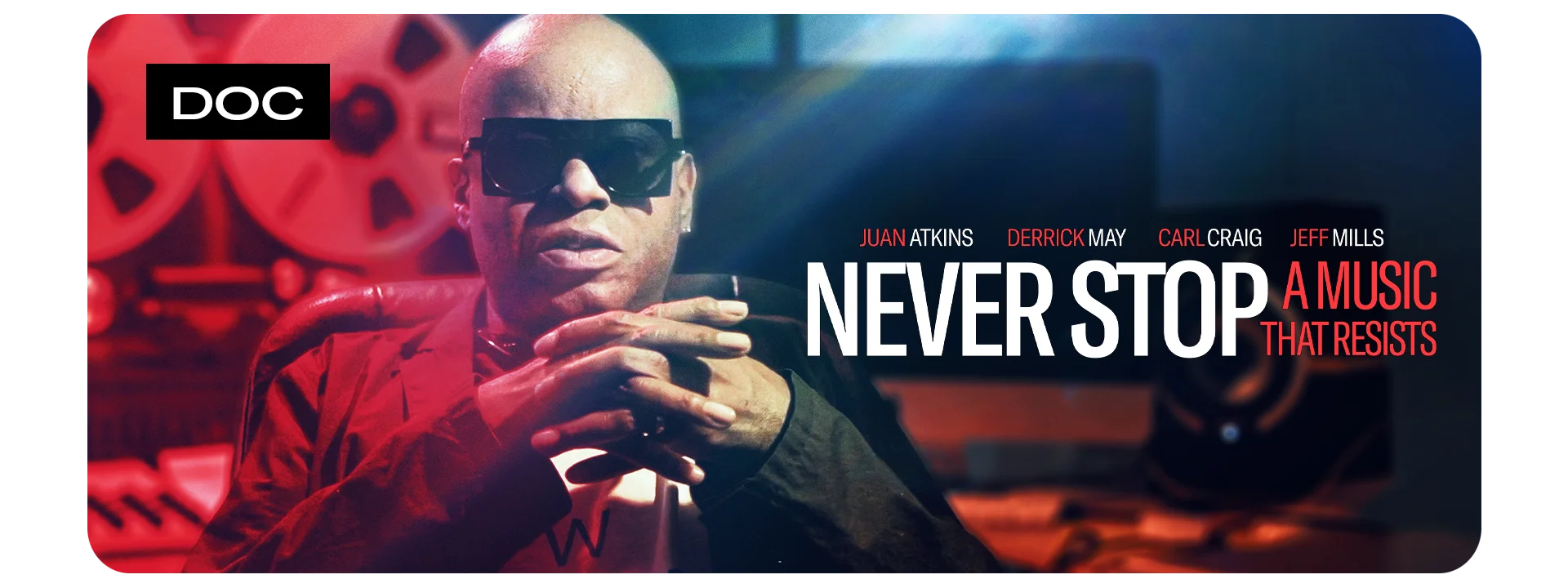
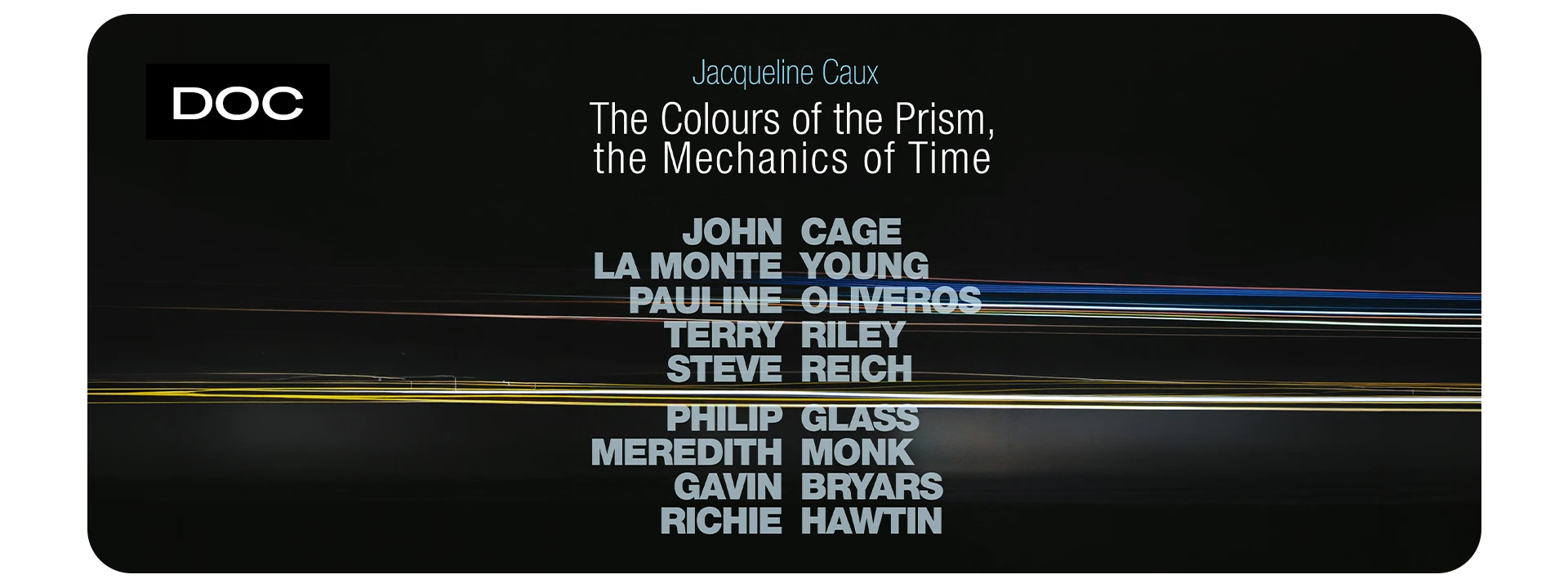
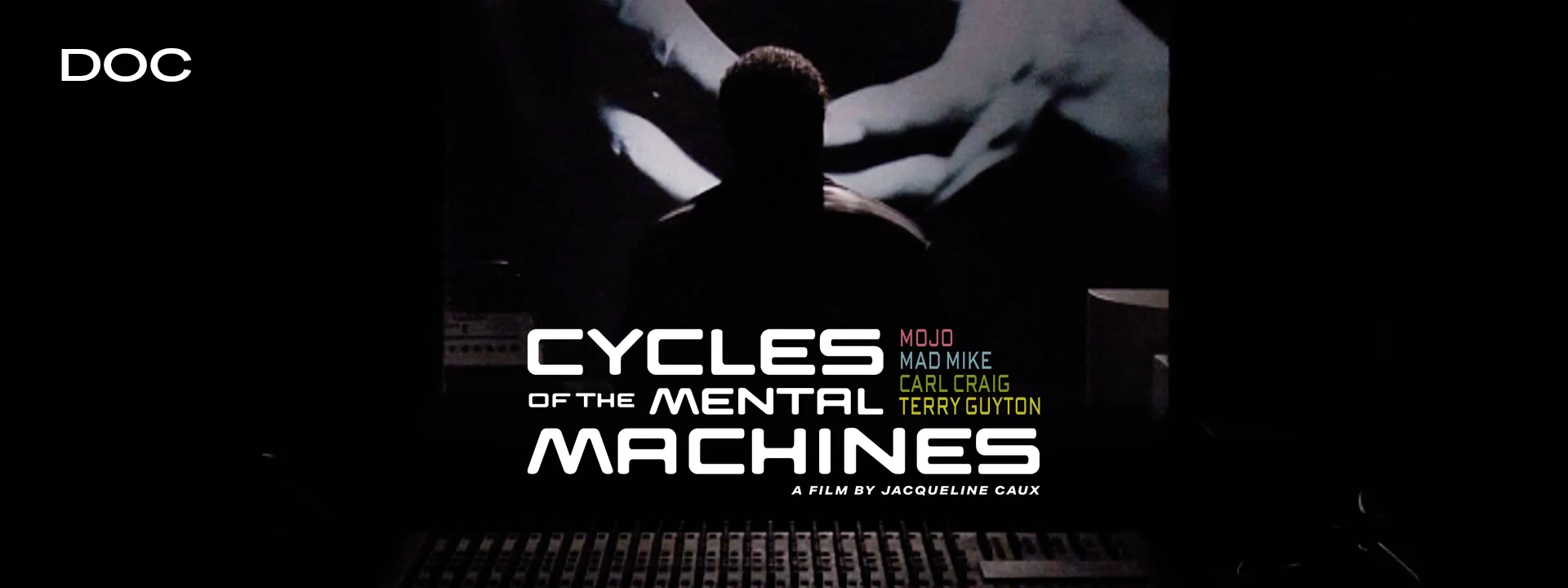
Unlike Chicago house, a repertoire directly tied to disco, Detroit techno favors synthetic textures, repetition, and an avant-garde aesthetic. Where House invites sharing and celebration, Detroit techno evokes machines, urban landscapes, and the solitude that emanates from them. Sometimes fierce — as suggested by the Underground Resistance (UR) roster and activists of the caliber of Jeff Mills, Mike Banks, or Robert Hood — this music also serves as a bridge to the musical research of the past fifty years, a dimension analyzed by Cycles of the Mental Machine and The Colours of the Prism, The Mechanics of Time, two documentaries directed by Jacqueline Caux with, as a connecting thread, one Richie Hawtin alias Plastikman. Pertinent as the approach is, it retains a deep bond with Afro-American traditions: behind the sequencers and drum machines, the traces of the blues linger, and with them that same feeling of uprootedness — those multiple, pallid mantras.
By Vincent Caffiaux