By Francisco Cruz
Across the African continent, and within the diasporas present in Europe and North America, contemporary Afro music pays tribute to a rich musical heritage. Many contemporary artists perpetuate these traditions through the use of centuries-old acoustic instruments, in keeping with their cultural commitment.
These ancient repertoires have survived across time, carried by the transmission of languages, the polyphonic and polyrhythmic richness of sung forms, and the singular sonic qualities of traditional instruments. Yet while a great diversity of sounds inherited from the past remains alive today across the African continent, it is afrobeat that has asserted itself as the identity-driven, danceable, and politically engaged expression of the youth.
Unlike the urban centers of the highly industrialized countries of the so-called "Western" world — a Eurocentric framing — vast regions of the world continue to evolve without losing sight of their ancient traditions, which are themselves in permanent transformation. This cultural persistence of memory is clearly perceptible in artistic expression, and in the case of Africa, most notably in music.
Evolving Traditions - In an Eminently Acoustic Register
In the evolution of African musics, and in their ephemeral present, permanent renewal is self-evident. Whether in South African, Senegalese, Malian, Ivorian, Cameroonian, Nigerian, Malagasy, Ethiopian, Moroccan, Burkinabé, Mozambican, or Cape Verdean music, very ancient musical traces remain present — inevitably already fused with other musical expressions carried from elsewhere, notably by (former) Arab colonizations and, later, European ones.
These ancient musics have survived through time, carried not only by the transmission force of diverse languages and the polyphonic structure of sung forms, or the sometimes highly sophisticated polyrhythm of instrumental themes, but also by the sonic specificity of ancestral instruments. Among these emblematic instruments, the protagonists include the kora, the guembri, the djembé, the ngoni, the balafon, and the oud.
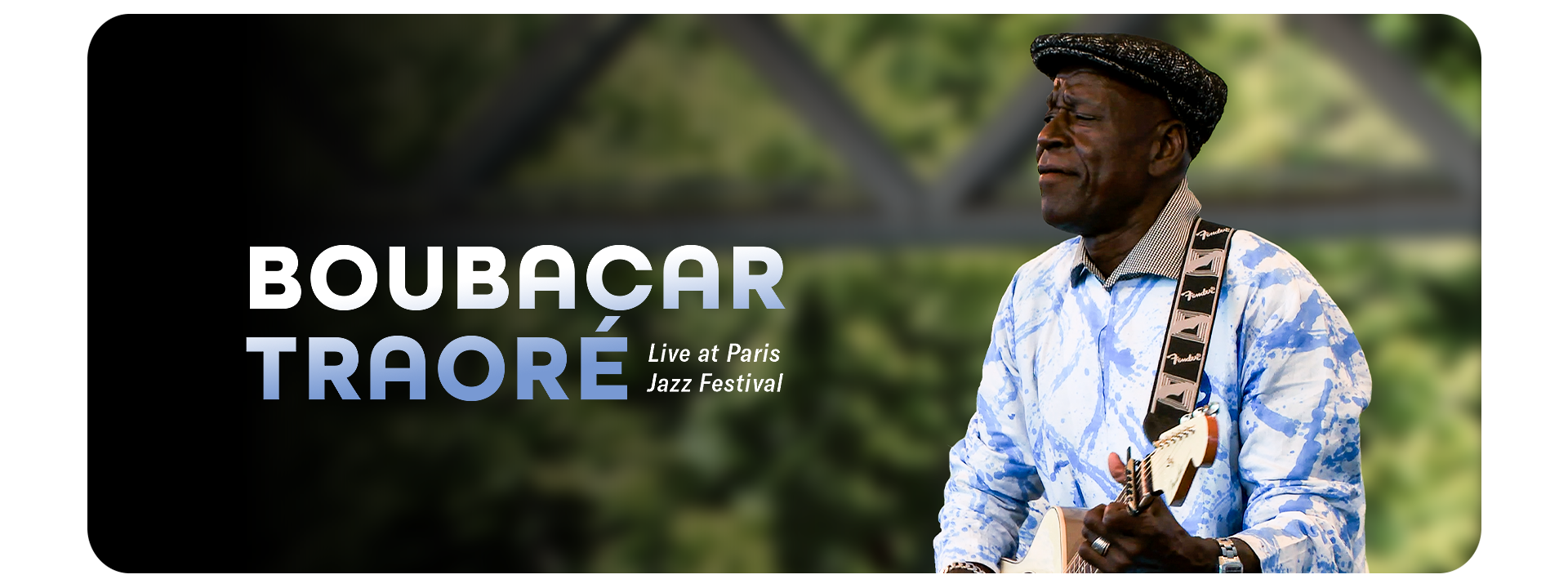
Contemporary musicians remain the custodians of ancestral music, with an acoustic and centuries-old instrumental choice that is coherent with their cultural — indeed political — commitment. Without endlessly repeating oral tradition, but integrating it into their own personal process of creative evolution. Virtuoso musicians such as kora players Ballaké Sissoko, Toumani Diabaté, and Sona Jobarteh, oud players Anouar Brahem and Dhafer Youssef (moving more in the jazz world), are among the most remarkable musicians keeping traditional music alive within their new creations — as did before them blues guitarist Ali Farka Touré, the Burkinabé group Farafina, or Malian singer and guitarist Boubacar Traoré. More recently, ensembles like the Konkolo Orchestra further attest to this creative vitality, combining local heritages, improvisation, and transcontinental dialogue.
Traditions in Exil - An Unbreakable Bond with the Roots
During the twentieth century, a phenomenon of "musical return" also took place, with the introduction onto African stages of various American musics — notably from the United States (blues, jazz, funk), Cuba, and Brazil — whose roots are indisputably African. Roots carried by successive waves of enslaved Africans brought to the Caribbean, the southern United States, and Brazil returned centuries later, transformed and enriched. A return amplified by the music industry and its global distribution, but also by the cultural and political influences of the era of liberation from the former European colonial powers (France, the Netherlands, Portugal, Belgium, Italy).

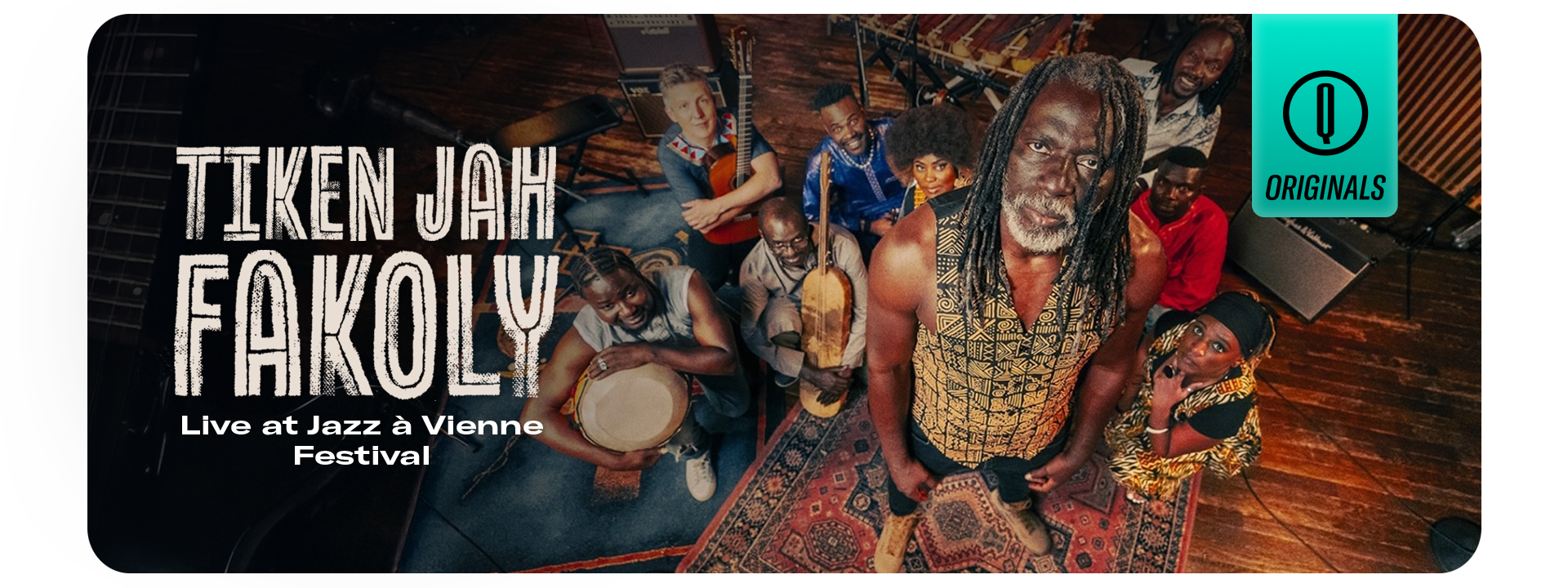
If the influence of Brazilian music on the renewal of Cape Verdean music — notably the coladeira and the batuque — seems self-evident, it is Cuban music that had the most significant impact on continental African music. A fitting return to the source, when one considers the fundamental importance of African rhythms in the structure of the Afro-Cuban tumbao and the clave, essential to Cuban music. In the manner of Zairean or Congolese rumba, one finds formations such as Orchestra Baobab — which achieved a formidable blend of mbalax and other fast dance rhythms with montuno, cha-cha-cha, pachanga, and rumba. Nor should one overlook the influence of reggae, of which the music of Tiken Jah Fakoly and Alpha Blondy are the finest examples. In a more intimate register, Senegalese singer Ismaël Lô has also built bridges between West African traditions and international influences, while maintaining a deep fidelity to the sonorities of his homeland, as his repertoire — and notably the album Iso Lo — bears witness.
Traditions and Identity Resistance - Music in the Struggle Against the Homogenization of Sound
Both across the African continent and at the heart of the various diasporas scattered throughout Europe and North America, contemporary music honors the memory of ancestral musicians. This happens through a dual movement: the recognition of origins, and a reaction against the uniformization of global sound shaped by studios — and now by AI — in order to optimize the profitability, first of record labels, then of digital streaming platforms.
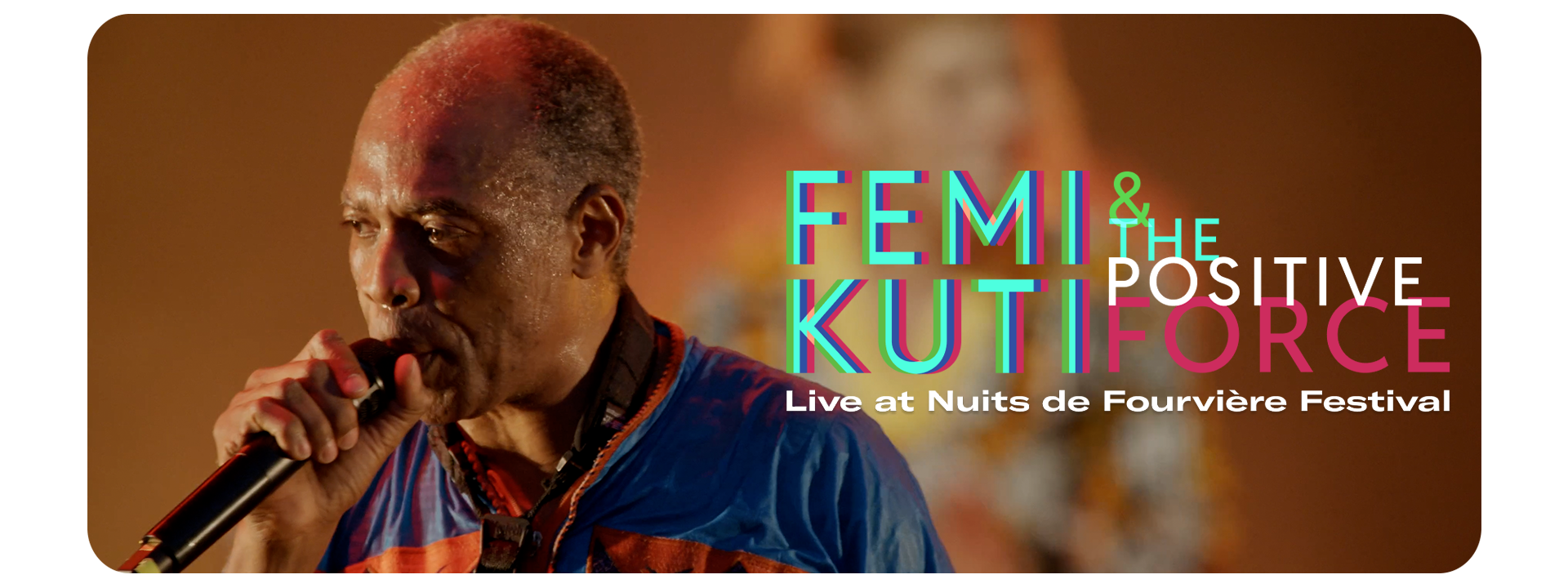
While a plurality of traditional sounds remain very much alive today across the African continent — sometimes even with renewed interest in certain regions — it is through the electroacoustic sound of afrobeat, invented half a century ago by the Nigerians Tony Allen and Fela Anikulapo Kuti, and endlessly reinvented since by his sons Seun, Femi, and grandson Madé Kuti (or by Burna Boy, Wizkid, Asake, Tems, and Davido in a more urban version of Afrobeats / Afro-fusion), that it has become the identity-driven, danceable, and engaged sound of African youth. Other artists, such as Angolan Toto ST and Malian singer Fatoumata Diawara, remarkably renew the ancestral African heritage while also drawing closer to rock, pop, and jazz. In southern Africa, projects such as Siselabonga and Ingoma Busuku likewise demonstrate how communal vocal traditions, polyphonies, and inherited rhythms can engage with contemporary sensibilities without losing their primary cultural function.
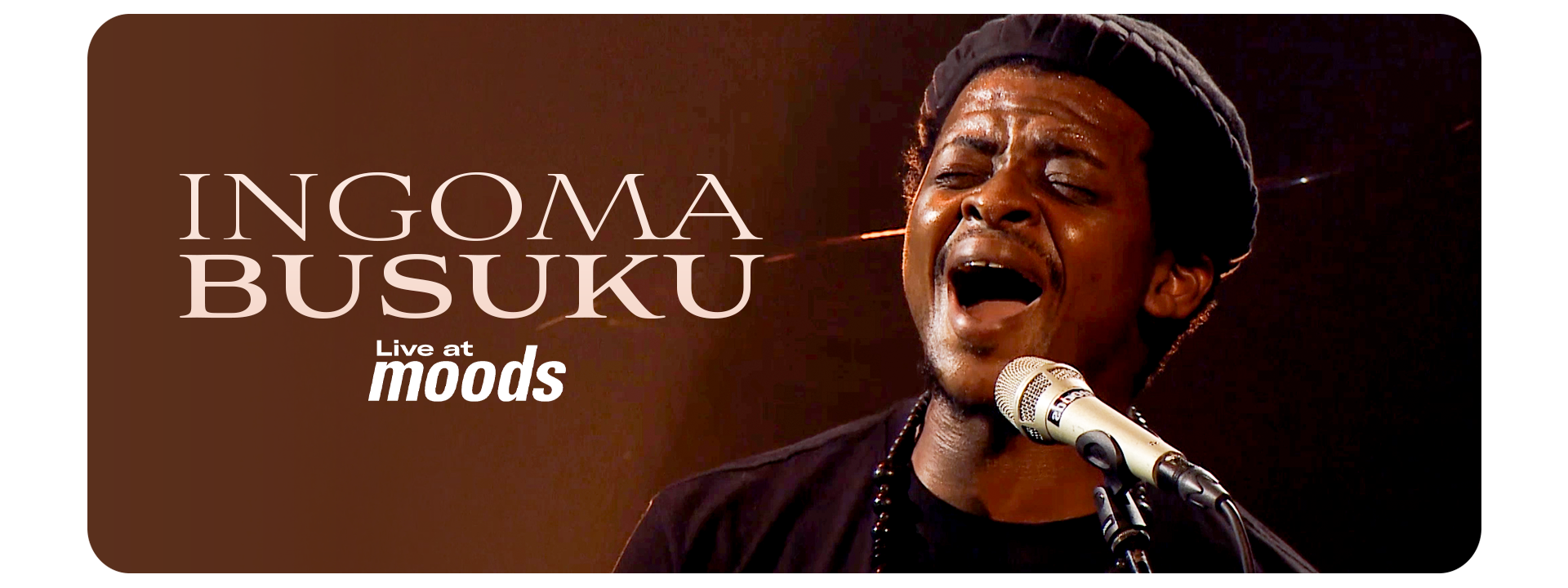
This persistence of musical heritage is also reflected in documentary film. Works such as Entre Nous, and You Africa — devoted to Youssou N'Dour — illuminate the way African artists and their diasporas build their identity around memory, transmission, and contemporary creation. These documentary perspectives remind us that African musical traditions are not a frozen heritage, but living matter in perpetual transformation.
By Francisco Cruz